
An industrial maintenance technician is a skilled professional who keeps machines, systems, and production equipment running safely and efficiently. They work behind the scenes in manufacturing plants, processing facilities, and industrial settings to fix problems fast and keep operations moving.
If you enjoy hands-on work, problem-solving, and working with modern technology, a career as an industrial maintenance technician may be a good fit for you. This guide tells you everything you need to know about industrial maintenance and mechatronics training and how to get started in this rewarding, in-demand profession.
What a Career in Industrial Maintenance and Mechatronics Offers
Industrial maintenance is one of the most in-demand skilled trades in the U.S., especially in states like Pennsylvania, where manufacturing plays a major role in the economy. This demand creates consistent opportunities for trained technicians who can maintain and repair critical equipment.
At Erie Institute of Technology, students prepare for careers as industrial maintenance technicians through hands-on training that mirrors real-world work environments. Instead of a theoretical approach, students build practical skills that align with what employers expect from day one.
As an industrial maintenance technician, you can expect:
- Strong job demand across multiple industries
- Competitive starting wages with growth over time
- Opportunities to specialize in automation, electrical systems, or advanced machinery
- A clear path for advancement into leadership or technical specialist roles
Industrial Maintenance Technician: Job Definition and Core Responsibilities
Industrial maintenance technicians play a critical role in keeping production lines moving. They are responsible for installing, maintaining, troubleshooting, and repairing industrial equipment.
Primary Job Functions
On a typical day, an industrial maintenance technician may handle a mix of scheduled maintenance and urgent repairs. Their responsibilities often include:
- Inspecting machinery to identify wear, damage, or performance issues
- Troubleshooting mechanical, electrical, and control system failures
- Repairing or replacing motors, belts, sensors, and other components
- Performing preventive maintenance to reduce breakdowns
- Reading blueprints, schematics, and technical manuals
- Testing equipment to ensure it meets safety and performance standards
Work Environment and Industries
Industrial maintenance technicians work in a variety of settings where machinery plays a central role. These environments are often fast-paced and require attention to detail.
Common industries include:
- Manufacturing plants
- Food and beverage processing facilities
- Pharmaceutical production
- Utilities and energy plants
- Warehousing and distribution centers
Work conditions can vary depending on the facility. Technicians may:
- Work on rotating shifts, including nights or weekends
- Be on their feet for long periods
- Handle physically demanding tasks
- Work in environments with noise, heat, or moving equipment
Essential Skills and Technologies in Industrial Maintenance
To succeed as an industrial maintenance technician, you need a mix of technical knowledge and practical problem-solving skills. This career blends mechanical systems, electrical work, and automation—making it one of the most versatile roles in modern manufacturing.
Acquiring technical skills helps you fix and maintain equipment, while soft skills help you work efficiently and communicate with teams. Employers look for both.
Core Skills Breakdown
| Technical Skills | Soft Skills |
| Mechanical system repair | Problem-solving |
| Electrical installation and wiring | Attention to detail |
| PLC programming and troubleshooting | Communication |
| Preventive maintenance planning | Time management |
| Blueprint and schematic reading | Adaptability |
| Equipment diagnostics | Critical thinking |
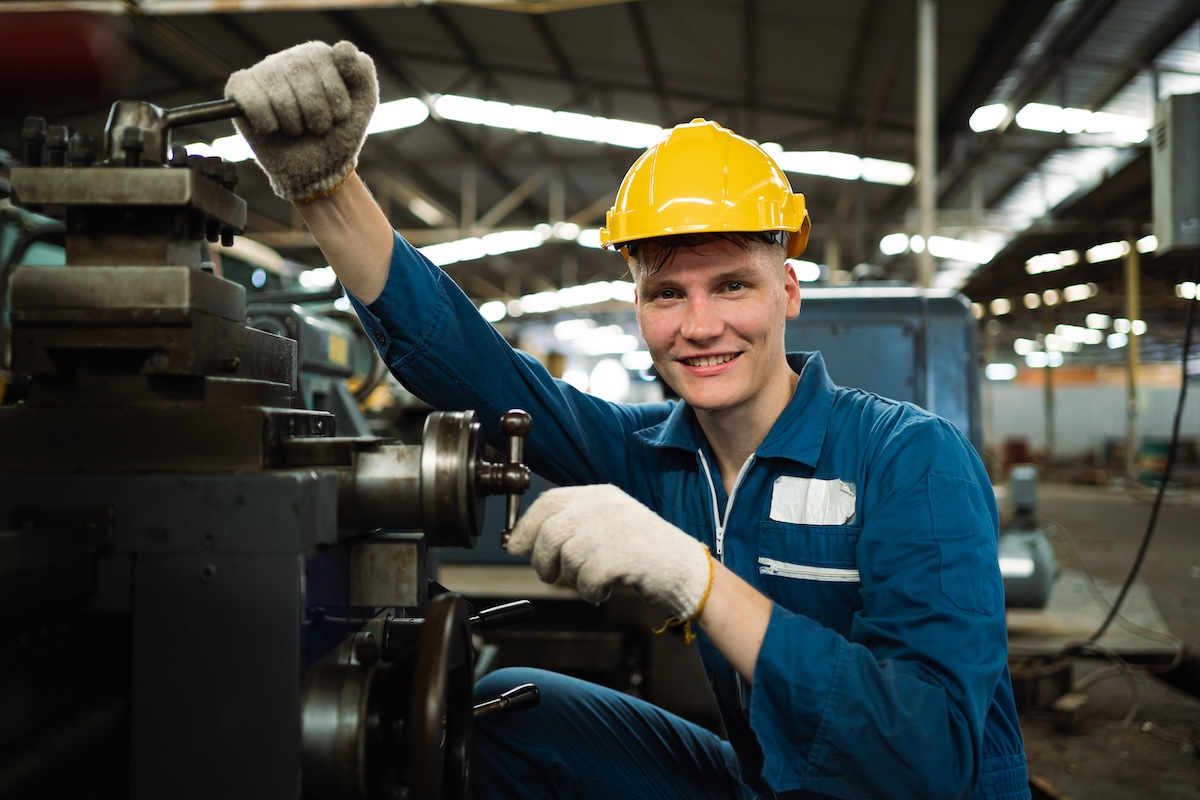
Mechanical and Electrical Systems
Industrial equipment relies on a combination of mechanical and electrical systems working together. Understanding both is essential.
Technicians are often responsible for:
- Repairing motors, belts, and hydraulic systems
- Performing electrical installation and troubleshooting circuits
- Maintaining HVAC systems used in industrial environments
- Diagnosing issues with motor controls and power systems
Automation and Control Systems
Modern manufacturing machines are no longer just mechanical—they are controlled by programmable, automated systems that require specialized knowledge.
One of the most important technologies in this field is the Programmable Logic Controller (PLC).
A PLC acts as the “brain” of automated equipment. It controls processes like conveyor systems, robotic arms, and assembly lines. When something goes wrong, technicians must be able to troubleshoot both the hardware and the programming behind it.
Key automation skills include:
- Understanding how PLCs control machinery
- Troubleshooting automated systems
- Interpreting control system data
- Working with sensors and input/output devices
Training Requirements and Educational Pathways
Becoming an industrial maintenance technician does not require a traditional four-year degree. Most professionals enter the field through focused technical training or apprenticeship programs.
Choosing the right path depends on your goals, timeline, and how quickly you want to enter the workforce.
Certificate Programs and Technical Training
Trade schools offer certificate programs and are one of the fastest ways to start a career in industrial maintenance.
Most programs take 6–12 months to complete and focus on practical, job-ready skills. They are designed for students who want to enter the workforce quickly while still gaining the technical foundation needed to succeed.
Typical industrial maintenance and mechatronics training includes:
- Mechanical system fundamentals
- Electrical installation and troubleshooting
- Motor controls and automation basics
- Preventive maintenance procedures
- Safety protocols and compliance standards
Compared to longer degree programs, certificate training offers:
- Faster entry into the workforce
- Lower overall time commitment
- Focused, career-specific education
For many students, this is the most efficient path to gaining the skills needed for entry-level roles with room to grow. At EIT, students train in lab environments that simulate real industrial settings, bridging the gap between classroom learning and actual job requirements.
Apprenticeships and On-the-Job Training
Another pathway into industrial maintenance is through apprenticeships. These programs combine classroom instruction with paid, on-the-job training under the supervision of experienced technicians.
Apprenticeships can offer:
- Real-world experience from day one
- Mentorship from skilled professionals
- Gradual skill development over time
However, there are trade-offs to consider:
- While apprenticeships are paid, entry-level wages are often lower during training. It can also take longer to reach full earning potential compared to completing a focused technical program first.
- For individuals looking to enter the workforce quickly and gain a broader skill set up front, technical training programs may offer a faster path to career growth.
Career Outlook and Salary Information for 2026
According to the Bureau of Labor Statistics, industrial machinery mechanics and maintenance workers earn competitive wages, with faster-than-average job growth projected over the coming years. This makes it a reliable career path for those looking for long-term stability.
Pennsylvania Job Market and Growth Projections
Pennsylvania’s manufacturing sector plays a major role in the state’s economy. From food processing to advanced manufacturing, companies across the region rely on skilled technicians to keep operations running.
Salaries can vary based on industry, certifications, and specialization. Technicians who develop skills in automation, electrical systems, or advanced diagnostics often earn higher wages over time.
The Erie region benefits from this demand, with local employers consistently seeking trained workers who can confidently step into maintenance roles.
Career Advancement Opportunities
Industrial maintenance is a career with room to grow. With experience and additional training, technicians can move into higher-paying roles such as:
- Maintenance Supervisor
- Reliability Technician or Engineer
- Automation or Controls Specialist
- Plant Operations Manager
Additional certifications needed to support advancement may include:
- OSHA safety certifications
- Electrical or automation certifications
- Specialized training in PLCs and control systems
As you gain experience, your responsibilities—and earning potential—increase. This makes industrial maintenance a strong long-term career option for those willing to continue learning and improving their skills.
How to Start Your Career as an Industrial Maintenance Technician
Starting a career in industrial maintenance is a straightforward process when you follow the right steps. With the right training and preparation, you can move from beginner to job-ready in less than a year.
Step-by-Step Pathway
- Complete a Technical Training Program
EIT’s industrial maintenance and mechatronics training program provides students with the hands-on skills needed to succeed. Contact us to request more information or start your application today. - Build Practical Skills in a Lab Setting
Training in a real-world environment that helps you gain confidence before entering the workforce. - Develop a Basic Technical Portfolio
Document your training projects, lab work, and certifications. This can help you stand out to employers during the hiring process. - Apply for Entry-Level Positions
Look for roles such as maintenance technician, maintenance helper, or production technician, as these types of positions help you gain experience quickly. - Continue Learning on the Job
Industrial maintenance is a career where learning never stops. As you gain experience, you’ll build specialized skills that open doors to higher-paying roles.
EIT supports students through this process with job placement assistance and connections with local employers. We’re here to help graduates transition from training to employment more efficiently.
Start Your Career at Erie Institute of Technology
If you’re ready to begin a hands-on career as an industrial maintenance technician, the right training can make all the difference.
At Erie Institute of Technology, students train in environments designed to reflect real-world industrial settings. From electrical systems to automation and welding, you’ll build the skills employers are actively looking for.
Take the first step toward your future. Enroll in EIT’s industrial maintenance and mechatronics training program today.
Frequently Asked Questions
How long does it take to become an industrial maintenance technician?
Most certificate programs take 6–12 months, while associate degrees typically take about 2 years. Some employers also offer apprenticeships that combine training with paid work experience.
Do I need prior mechanical experience to start training?
No prior experience is required for most programs. Technical schools like Erie Institute of Technology start with foundational concepts and build skills through hands-on training.
What industries hire the most industrial maintenance technicians?
Top industries include manufacturing, food processing, pharmaceuticals, utilities, and logistics. Pennsylvania’s strong manufacturing sector provides consistent job opportunities.
Are there advancement opportunities in industrial maintenance careers?
Yes. Technicians can advance to roles such as maintenance supervisors, automation specialists, or reliability engineers. With experience and additional certifications, earning potential increases over time.

About the Author
Ross Aresco
CFO
Ross Aresco is the CFO of Erie Institute of Technology. Erie Institute of Technology (EIT) is an Erie Pennsylvania technical/trade school providing training programs for medical, computer, electronics, manufacturing, and technology careers. EIT offers programs in many different areas to suit your interests and talents.