
When people think about healthcare careers, doctors and nurses often come to mind. But if you enjoy electronics, troubleshooting, and hands-on work, you may want to consider becoming a biomedical equipment technician. Biomedical equipment technicians (BMETs) work in hospitals, clinics, and medical equipment companies, maintaining and repairing the medical devices healthcare professionals rely on daily.
The job outlook for biomedical equipment technicians offers a promising path for people interested in healthcare technology. Here’s what to know about BMET job growth, daily responsibilities, and how to enter the field.

Article Overview: BMET Job Outlook
Biomedical equipment technicians keep hospital equipment safe and working, and demand is growing fast. This guide covers what BMETs do, where they work, pay and job growth data, and how to start a BMET career in Pennsylvania.
What Is a Biomedical Equipment Technician (BMET)?
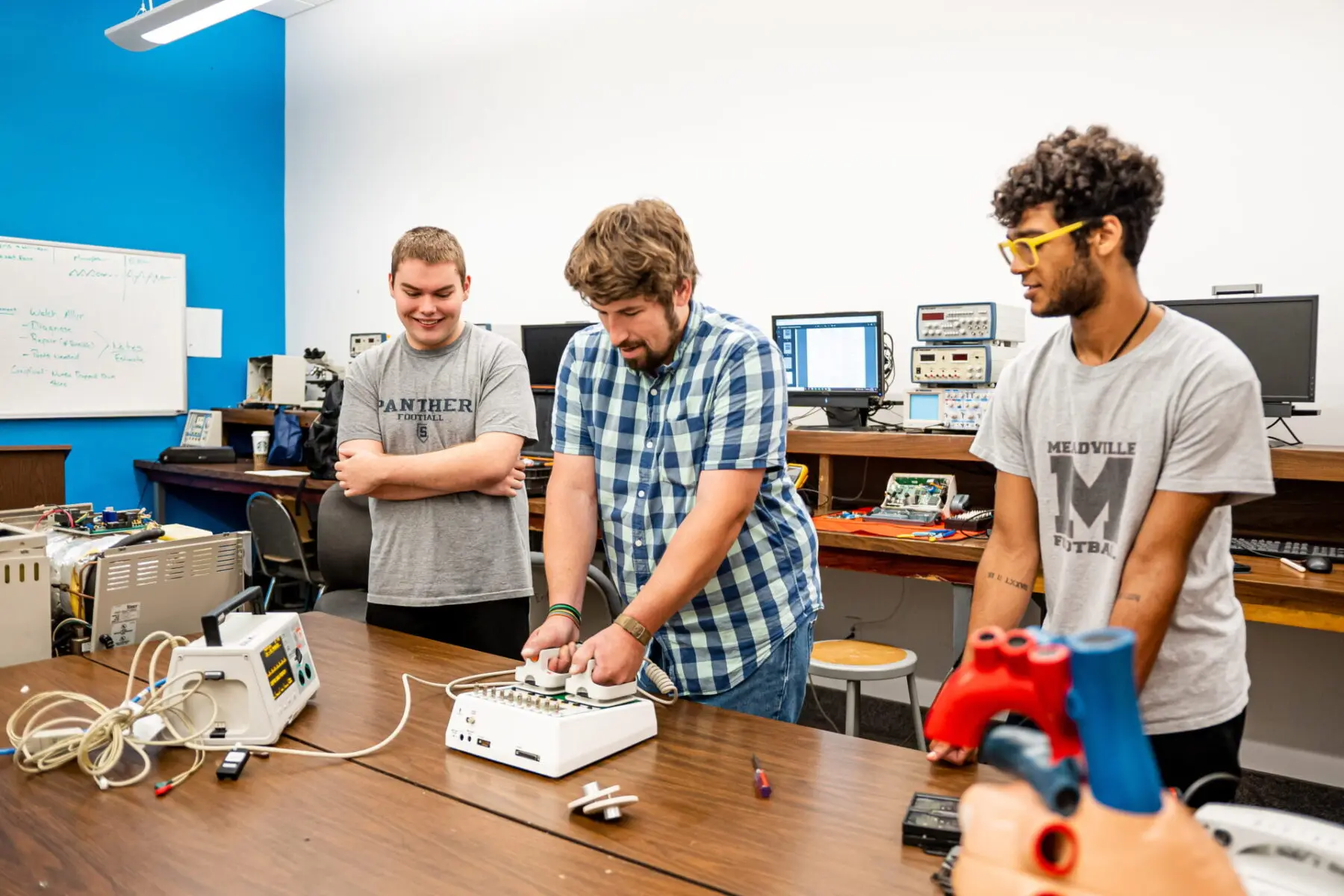
A biomedical equipment technician installs, inspects, maintains, and repairs equipment used in patient care. Also called medical equipment technicians or biomedical technicians, these professionals work with devices ranging from patient monitors and infusion pumps to ventilators and imaging systems.
What Does a BMET Do Day-to-Day?
BMETs need strong technical skills and good judgment. They perform several important tasks to keep devices safe and functional:
- Inspect equipment: Perform routine maintenance and check for signs of wear or damage.
- Test electrical safety: Check electrical systems and confirm equipment meets applicable safety standards.
- Troubleshoot problems: Identify equipment failures, replace faulty components, and test repairs.
- Work with healthcare staff: Respond to equipment concerns and coordinate repairs with hospital teams.
- Maintain records: Document inspections, repairs, and service history.
Where Do BMETs Work?
Biomedical equipment technicians work in several healthcare and technology settings, including:
- Hospitals and medical centers
- Outpatient clinics and surgical centers
- Medical imaging facilities
- Long-term care facilities
- Medical equipment manufacturers and service companies
Biomedical Equipment Technician Job Outlook: What the Data Shows
As healthcare providers rely on more advanced medical technology, they’ll need skilled technicians to inspect, maintain, and repair essential equipment.
The biomedical equipment technician job outlook shows strong employment growth over the next decade. According to the U.S. Bureau of Labor Statistics (BLS), employment for medical equipment repairers is projected to grow 13% from 2025 to 2035, much faster than the average for all occupations. The BLS also projects approximately 9,100 job openings each year during this period, many coming from workers retiring or changing careers.
How BMET Pay Compares in Pennsylvania
Biomedical technician salary expectations in Pennsylvania vary by experience, employer, location, and specialization. Entry-level technicians generally earn less than experienced professionals, while additional technical skills and certifications support career advancement.
Why BMET Is Worth Considering Over More Visible Healthcare Careers
A BMET career offers a different way to work in healthcare without becoming a doctor or nurse. Here are four reasons to consider this path:
- Hands-on technical work: Spend your day troubleshooting electronics, repairing equipment, and solving practical problems instead of providing direct patient care.
- Focused education requirements: Many employers seek candidates with an associate degree or certificate in biomedical technology or a related technical field.
- Ongoing demand: Hospitals, clinics, and medical equipment companies need technicians to maintain the devices they rely on.
- Room for professional growth: Experienced technicians may pursue specialized equipment roles, supervisory positions, or professional certifications.
How to Become a BMET in Pennsylvania
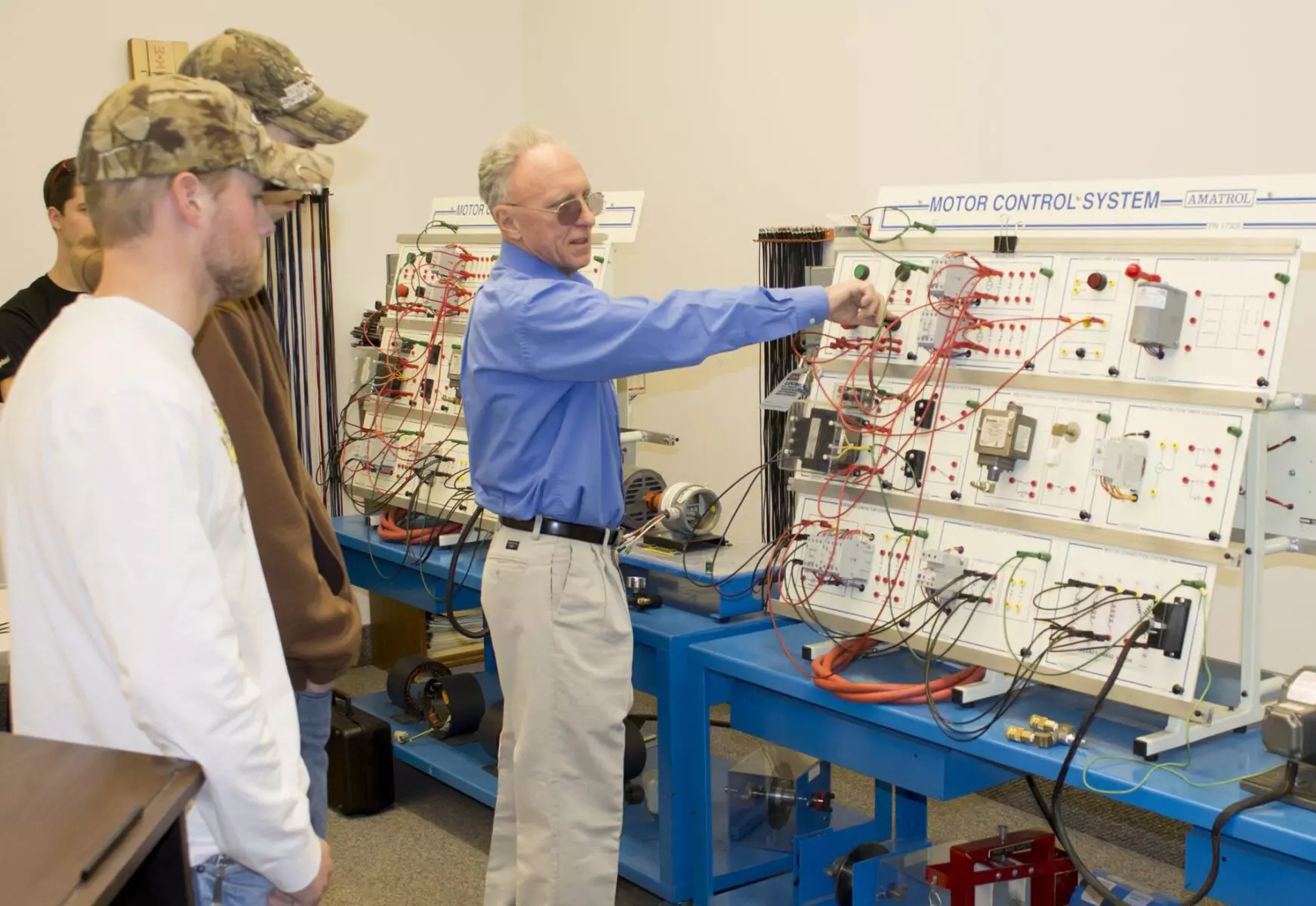
Starting a biomedical equipment technician career or industrial maintenance technician career requires technical education, practical experience, and a willingness to keep learning. Here’s a three-step path to entering the field:
Step 1 — Complete a Relevant Training Program
Start with a diploma, certificate, or associate degree program focused on electronics or medical equipment technology. Erie Institute of Technology offers a Medical Equipment Technician training program in Erie, PA, for students interested in this career path.
Step 2 — Gain Hands-On Experience
Look for entry-level technician positions, internships, or training opportunities with healthcare facilities and medical equipment companies. Hands-on experience builds troubleshooting skills and introduces you to the equipment and safety procedures used in healthcare settings.
Tip: Check out PA CareerLink for employment opportunities throughout Pennsylvania.
Step 3 — Pursue CBET Certification
As you gain experience, consider earning the Certified Biomedical Equipment Technician (CBET) credential through the Association for the Advancement of Medical Instrumentation (AAMI). CBET certification demonstrates your technical knowledge and experience. Although employers don’t universally require certification, it may strengthen your qualifications for certain positions.
Common Misconceptions About the BMET Career Path
Myth: You need a medical degree to become a BMET.
Reality: BMETs focus on equipment rather than diagnosing or treating patients. Most positions require technical education in electronics, biomedical equipment technology, or a related field.
Myth: Biomedical equipment technician jobs offer limited career growth.
Reality: Experienced BMETs may advance into specialized repair, equipment management, or supervisory roles. Additional training and certifications support professional development.
Myth: BMETs only work in large hospitals.
Reality: Hospitals employ many biomedical technicians, but outpatient facilities, medical equipment manufacturers, and independent service companies also need skilled technicians.
Explore Medical Equipment Technician Training in Erie, PA
With the biomedical equipment technician job outlook growing faster than average, now is the perfect time to begin your career in healthcare. Erie Institute of Technology offers hands-on technical training to get you there. Get started today and apply online.
Medical Equipment Technician Training Program at Erie Institute of Technology
Length: 18 months
Associate of Specialized Technology Degree
Erie Institute of Technology’s 18-month Medical Equipment Technician Program teaches you to install, calibrate, troubleshoot, and repair medical equipment.
Apply online or schedule a tour to take the next step.

About the Author
Ross Aresco
CFO
Ross Aresco is the CFO of Erie Institute of Technology. Erie Institute of Technology (EIT) is an Erie Pennsylvania technical/trade school providing training programs for medical, computer, electronics, manufacturing, and technology careers. EIT offers programs in many different areas to suit your interests and talents.