
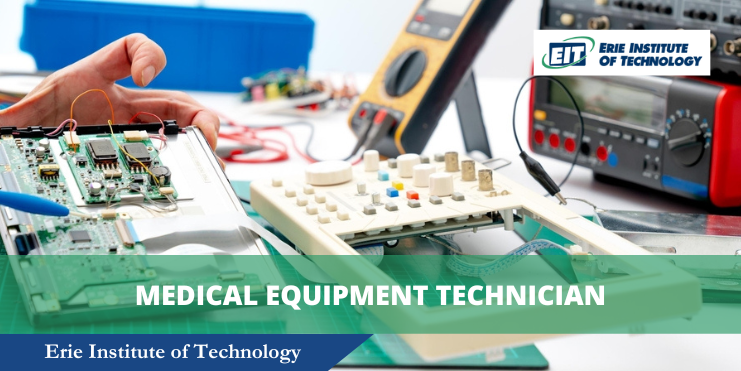
Medical Equipment Technicians, also known as Biomedical Equipment Technicians (BMETs), help healthcare providers offer high-quality patient care by ensuring that medical equipment is functioning properly. They are responsible for installing, calibrating, repairing, and maintaining complex medical devices like ventilators, X-ray machines, and dialysis units.
If you’re passionate about technology and healthcare, this is your introduction to becoming a BMET. This guidel outlines the roles and responsibilities you will assume, the tools and technology you’ll use, and how to enroll in Medical Equipment Technician training so you can start learning the skills needed to succeed.
A Biomedical Equipment Technician’s responsibilities vary day-to-day. Some of the key roles they typically take on include:
1. Installation and Calibration
One of the core responsibilities of a BMET is installing medical equipment in healthcare facilities. Once installed, they also calibrate these devices to ensure they operate within the parameters necessary for patient safety and accuracy. Calibration is essential, as even slight deviations can lead to incorrect diagnoses or ineffective treatments.
2. Preventive Maintenance (PM)
BMETs perform regular device checks, replacing worn components and cleaning critical parts. Preventative medical device maintenance ensures machinery runs smoothly and minimizes the risk of malfunctions during critical procedures.
3. Complex Troubleshooting and Repair
When medical equipment malfunctions, BMETs step in to identify and fix the problem. This task requires strong diagnostic skills and a deep understanding of both the mechanical and electronic components of medical equipment. BMETs often work under pressure, as equipment failures can directly impact patient care.
4. Clinical Staff Training
BMETs are also responsible for training clinical staff to properly use the medical equipment. This may include conducting in-person training sessions or creating instructional materials. Medical device training is essential to prevent misuse during critical care situations.
The Specialized Tools of the Trade
Medical equipment technicians rely on specialized tools to perform their tasks accurately and efficiently:
- Multimeters & Oscilloscopes
Multimeters measure electrical properties such as voltage, current, and resistance, which are crucial for diagnosing issues with the electrical components. Oscilloscopes are used to observe electrical signals in equipment, helping technicians identify issues that may not be visible through standard diagnostic methods.
- Patient Simulators
Patient simulators are used to replicate real-life physiological conditions. BMETs use these simulators to test ventilators, heart rate monitors, and infusion pumps, ensuring that they function correctly under realistic conditions.
- Soldering Irons & Hand Tools
Soldering irons are used to repair electrical components on circuit boards and other small parts. BMETs may also use screwdrivers, pliers, and wire cutters to perform other essential repairs.
- Diagnostic Software
BMETs use diagnostic software to run tests, evaluate performance, and ensure that medical devices are functioning at optimal levels. These programs help streamline the diagnostic process by providing real-time data and alerts that help technicians identify and fix issues quickly.
Critical Skills Every Successful Technician Needs
Medical equipment technicians require a range of learned skills and technical knowledge to perform their work effectively:
Technical Dexterity and Engineering Knowledge
BMETs must have a mechanical understanding of how to repair and maintain complex electronics, engineering, and medical technologies. They must also possess digital troubleshooting skills when working with integrated hardware and software.
Problem-Solving Under Pressure
Medical equipment often requires quick repairs, especially in emergency situations. Whether it’s diagnosing a malfunctioning ventilator during surgery or troubleshooting a heart monitor, BMETs need to think critically and act fast.
Communication and Record Keeping
BMETs must have strong communication skills to explain issues, solutions, and procedures to medical staff. They also need excellent record-keeping abilities, as they’re required to document repairs, maintenance, and calibration. Accurate record-keeping ensures compliance with health and safety regulations and provides guidance for future troubleshooting.
Common Medical Equipment BMET’s Work With
Here’s a look at some of the medical devices BMETs maintain, troubleshoot, and repair on a daily basis:
- Diagnostic Imaging: X-ray, Ultrasound, and CT Scanners
BMETs play a critical role in maintaining and repairing diagnostic imaging equipment used for capturing detailed images of the inside of the body. This includes X-ray machines, ultrasound devices, and CT (computed tomography) scanners.
- Life Support: Ventilators, Anesthesia Machines, and Dialysis Units
BMETs ensure that life-saving ventilators, anesthesia machines, and dialysis units are functioning properly, performing calibrations and repairs when needed.
- Patient Monitoring: Heart Rate Monitors, Pulse Oximeters, and EKG Machines
BMETs maintain heart rate monitors, pulse oximeters, and EKG (electrocardiogram) machines to ensure they’re providing accurate, real-time data.
- Specialized Tech: Surgical Robots, Electric Wheelchairs, and Laboratory Centrifuges
BMETs also work with cutting-edge surgical robots, electric wheelchairs, and laboratory centrifuges. These specialized devices often require highly specific engineering knowledge to maintain and repair.
Job Outlook and Career Growth
As the healthcare industry continues to expand, the demand for qualified hospital technical jobs is projected to grow steadily. Several factors are driving this demand:
- Aging Population
With an aging population comes a greater need for healthcare services and, by extension, medical equipment.
- Advancements in Medical Technology
As medical devices become more advanced and robotic surgery systems are introduced in the workforce, the need for skilled BMETs who can maintain and repair complex technology will increase proportionately.
- Rising Demand for Healthcare Services
BMETs are essential to keeping hospitals and healthcare facilities operating smoothly, and their role will become increasingly important as healthcare systems face greater pressure from population growth and higher demand for services.
How to Become a Medical Equipment Technician: Education & Certification
Becoming a medical equipment technician requires a combination of formal education, hands-on experience, and professional certification. Here’s a breakdown of the steps you’ll take to start your career in this rewarding field:
Step 1: The Right Education
To begin your journey as a BMET, you’ll need to pursue the appropriate education. Most employers require a specialized degree or diploma in biomedical equipment technology or a related field.
Trade schools like the Erie Institute of Technology offer training programs specifically designed to prepare you for this role. These courses typically cover subjects such as electronics, mechanical systems, and medical device technology, providing you with the foundation to succeed in a healthcare setting
In addition to formal education, some employers may value experience with general healthcare technologies or related fields such as electronics repair.
Step 2: Gaining Hands-on Experience
Internships or apprenticeships also provide an opportunity to work directly with medical equipment under the supervision of experienced technicians. Gaining real-world experience will help you understand the nuances of maintaining and repairing medical devices, making you more competitive in the job market.
Most biomedical equipment technician programs offer internship opportunities and job placement assistance, which are crucial for gaining the practical skills necessary to succeed in this field.
Step 3: Professional Certifications
The Certified Biomedical Equipment Technician (CBET), offered by the Association for the Advancement of Medical Instrumentation (AAMI), is one of the most recognized certifications in the field. CBET certification validates your expertise and commitment to the profession, significantly boosting access to job opportunities.
Why Start Your Medical Equipment Technician Journey with EIT?
Erie Institute of Technology (EIT) offers a comprehensive Medical Equipment Technician training program that equips students like you with the skills and experience to become successful in your future career. Our program includes hands-on training with real medical equipment, as well as job placement assistance to help you find employment after graduation.
EIT’s dedicated staff will guide you through every step of your training and career journey, ensuring you are well-prepared for the challenges and rewards of this field.
Ready to Power the Future of Healthcare? Join EIT Today
Excited to start your career as a medical equipment technician and make a real impact in healthcare? Join Erie Institute of Technology and gain the knowledge, hands-on experience, and professional certifications you need to succeed in this growing field.
About Author:

Ross Aresco
CFO
Ross Aresco is the CFO of Erie Institute of Technology. Erie Institute of Technology (EIT) is an Erie Pennsylvania technical/trade school providing training programs for medical, computer, electronics, manufacturing, and technology careers. EIT offers programs in many different areas to suit your interests and talents.